Mold Removal in St. Pete Beach, FL
St. Pete Beach is a barrier island city of about 10,000 permanent residents that was stitched together in 1957 from five beach communities, including Pass-a-Grille at the south tip. The housing runs from 1900s and 1920s frame cottages in the Pass-a-Grille historic district to 1950s block houses on the Boca Ciega side to the condo and hotel towers along Gulf Boulevard. The Don CeSar has stood over the south end since 1928.
The island took Helene's surge on September 26, 2024, with Gulf-side intersections under water and Pass-a-Grille cottages flooded. The island stayed closed to residents afterward while crews cleared sand off the roads. The old frame cottages are the hard case: wood floors over a crawl space and plaster walls hold salt water long after the street dries.
Homeowners in St. Pete Beach who call us reach an independent mold provider who works on the island. That provider reads the walls and does the removal.
Pass-a-Grille cottages, Gulf Boulevard condos, and the calls after the surge
A 1920s Pass-a-Grille cottage with growth along the baseboard is mold removal handled wall by wall, with the crawl space read along with the plaster. A ground-floor condo that stood in water across every room is whole-home mold remediation, and the association's declaration decides who pays for what. A unit where the air handler closet smells every afternoon is HVAC mold cleaning.
City permits and the substantial damage letters
St. Pete Beach runs its own permitting through the City of St. Pete Beach, and after the 2024 storms the city has been issuing substantial damage determinations to flooded houses, which decide whether a house can be repaired as it stands or must be raised. Ask before the repair scope is written. The rebuild after removal needs a city permit when it replaces drywall, plumbing, or wiring, and the provider who rebuilds pulls it.
Call (727) 382-7755 now and tell us what you see in your St. Pete Beach home.
Services Available in St. Pete Beach
Mold Removal
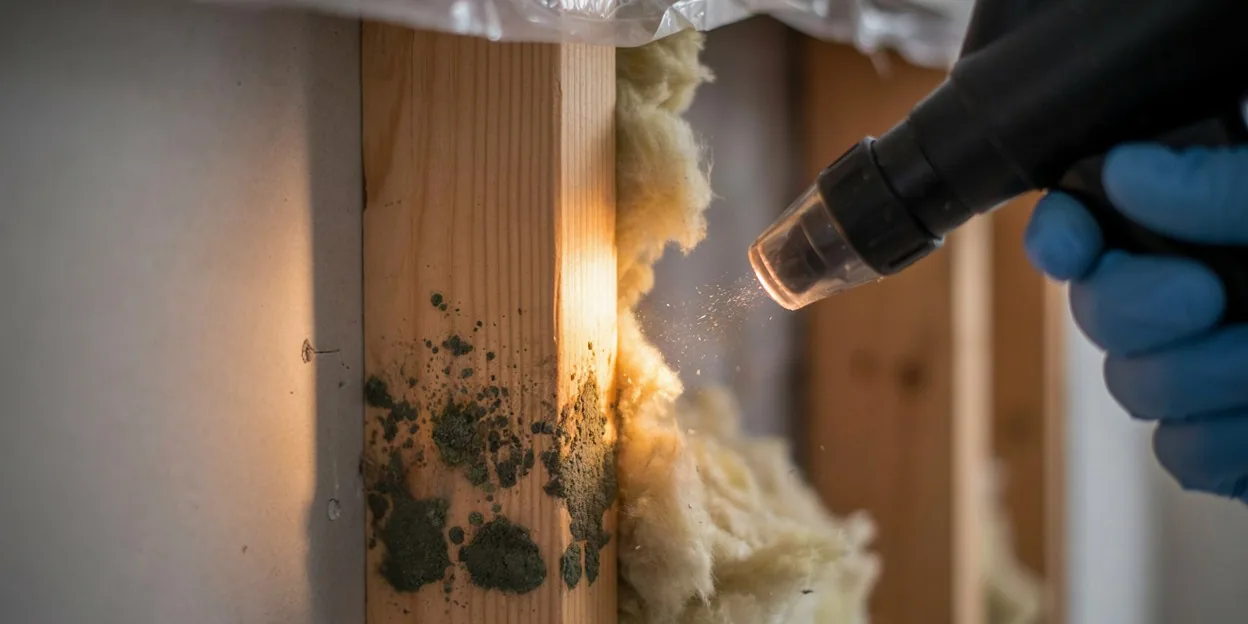
Growth on drywall after surge water, a supply-line leak, or a window that took sideways rain: room sealed, wet board cut at the meter line, framing cleaned and dried.
Black Mold Removal
A dark patch on a bedroom wall or closet ceiling handled by how far the water traveled, not by its color: containment, porous material out, leak fixed before closing.
Whole-Home Mold Remediation
A house that took Helene surge or sat shut for a season, mapped room by room, with every wet wall, cabinet, and floor handled as one project under one scope.
HVAC Mold Cleaning
Coil, drain pan, blower, and condensate line cleaned or replaced when the air handler in a St. Pete closet or garage sweats through a nine-month cooling season.
Bathroom Mold Removal
Growth behind a vanity, under a shower pan, or on a plaster ceiling with no fan in a 1920s bungalow bath, removed with the leak or the venting fixed first.
Attic Mold Remediation
Growth on roof decking under shingles Milton lifted, or around a sweating duct in a block ranch attic, cleaned once the roof and insulation are dealt with.
Mold Odor Removal
A musty smell in a house that looks fine, traced to the wet material under a floor, behind a cabinet, or inside a block wall, then removed and treated.
Mold Damage Repair
Drywall, baseboard, cabinet bottoms, and ceilings put back after removal, once the slab and framing read dry and the water source is repaired.