Mold Removal in Seminole, FL
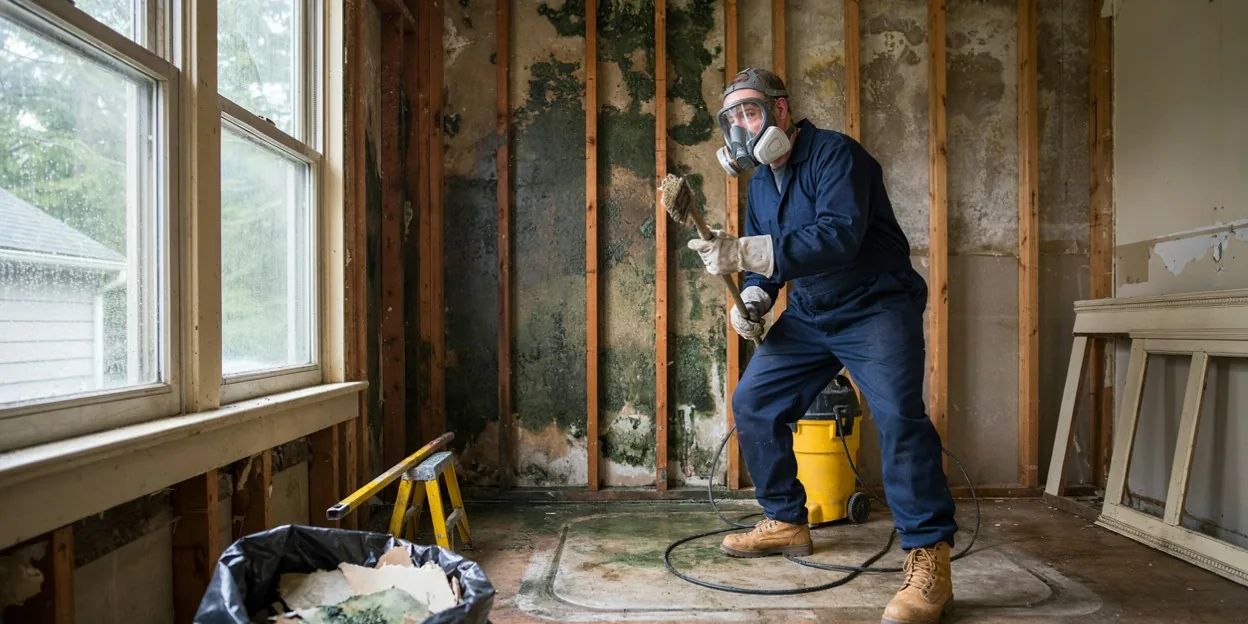
Seminole is a city of about 19,000 on the west side of the county, surrounded by unincorporated pockets that share its name and its mail. The housing is 1960s to 1980s block ranches on slabs, a scattering of newer subdivisions, and condo and villa communities along Park Boulevard and Seminole Boulevard. Lake Seminole sits on the east edge, and Boca Ciega Bay is a short drive west.
Seminole is far enough from the Gulf that Helene's surge stopped short of most of it, but Milton's rain and wind on October 9, 2024, did not. Roofs on the 1970s ranches lost shingles, and the water went into attics that had been dry for decades. In an ordinary summer the trouble is condensation: a garage air handler sweating, a flex duct dripping onto insulation, a window wall under a long overhang that never quite dries.
Homeowners in Seminole who call us reach an independent mold provider who works in the area and starts with a moisture meter.
The three Seminole calls that come in most
A streaked roof deck found by a roofer is attic mold remediation, and the roof is fixed before the wood is cleaned. A dark patch on a closet ceiling that nobody can name is black mold removal, handled by extent and moisture rather than color. A villa or condo where the air handler smells every afternoon is HVAC mold cleaning, and the association may own part of the drain line.
Lakes, parks, and the water that surrounds Seminole
Seminole is bracketed by two county parks that explain its water table. Lake Seminole Park wraps 258 acres of wetland and sanctuary around the lake on the east side, and Boca Ciega Millennium Park runs down to the bay on the west with mangroves and stormwater ponds. Houses between them sit on sandy soil that drains, but the air above it stays damp from May to October. Permits for a rebuild come from the city inside Seminole's limits and from Pinellas County in the unincorporated pockets.
Call (727) 382-7755 now and tell us what you see in your Seminole home.
Services Available in Seminole
Mold Removal
Growth on drywall after surge water, a supply-line leak, or a window that took sideways rain: room sealed, wet board cut at the meter line, framing cleaned and dried.
Black Mold Removal
A dark patch on a bedroom wall or closet ceiling handled by how far the water traveled, not by its color: containment, porous material out, leak fixed before closing.
Whole-Home Mold Remediation
A house that took Helene surge or sat shut for a season, mapped room by room, with every wet wall, cabinet, and floor handled as one project under one scope.
HVAC Mold Cleaning
Coil, drain pan, blower, and condensate line cleaned or replaced when the air handler in a St. Pete closet or garage sweats through a nine-month cooling season.
Bathroom Mold Removal
Growth behind a vanity, under a shower pan, or on a plaster ceiling with no fan in a 1920s bungalow bath, removed with the leak or the venting fixed first.
Attic Mold Remediation
Growth on roof decking under shingles Milton lifted, or around a sweating duct in a block ranch attic, cleaned once the roof and insulation are dealt with.
Mold Odor Removal
A musty smell in a house that looks fine, traced to the wet material under a floor, behind a cabinet, or inside a block wall, then removed and treated.
Mold Damage Repair
Drywall, baseboard, cabinet bottoms, and ceilings put back after removal, once the slab and framing read dry and the water source is repaired.