Mold Odor Removal in St. Petersburg, FL
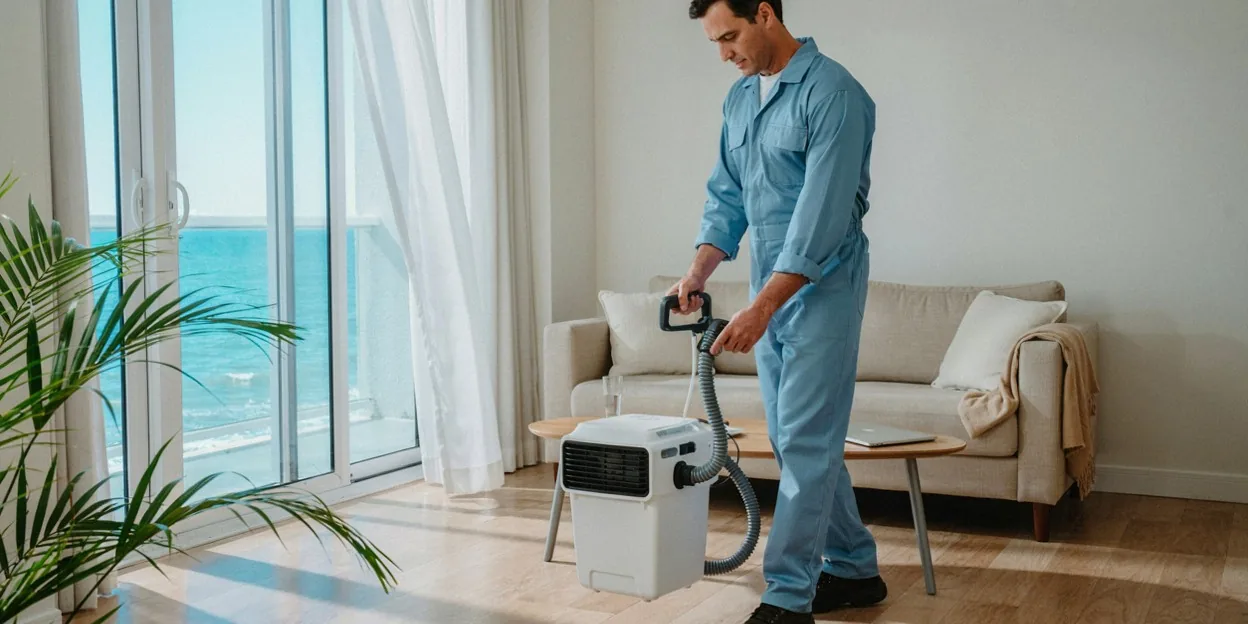
The restoration company left in November, the new baseboard went on in January, and on the first humid morning of spring the whole house smelled like the bay again. Nothing looks wet. Nothing looks moldy. This site connects you by phone with an independent local provider who does mold odor removal in St. Petersburg and the rest of Pinellas County.
Following the smell to the material that holds it
A musty smell with no visible growth is a search problem. The crew starts where surge water went and dried slowly: the bottom course of block behind the new drywall, the sill plate, the back of the kitchen cabinets, the subfloor under a tile threshold, and the slab under a laminate floor that was laid before the slab was dry. A moisture meter and a thermal camera find the cool, damp spots that look fine from the room.
If the house never flooded, the search moves to the usual Pinellas suspects: the air handler closet, the wall under a window that took sideways rain, a crawl space under a bungalow, and the ceiling under a bathroom with no fan.
Stop masking it and start noting when it comes
Put the plug-in fresheners away. They cover the smell for an hour and tell the crew nothing. Instead, write down when the smell is strongest: first thing in the morning, when the AC starts, after rain, or in one room more than others. Each pattern points somewhere different.
Open closets and cabinets and smell each one. Pull the kick plate off the bottom of a kitchen cabinet if it comes off easily and look at the floor under it. Photograph anything you find, and leave the drywall alone.
Remove the source, then treat what remains
Odor treatment without removal fails, so the crew removes first. That may mean opening the new drywall to reach a wet sill plate, pulling a cabinet to get at the slab behind it, or taking up flooring laid over a damp slab. The wet material comes out under containment, the block and slab are cleaned and disinfected, and dehumidifiers run until the readings drop.
Only then does the odor work start: HEPA air scrubbing, cleaning of the surfaces that held the smell, and treatment of the cavity before it closes. If the search leads to the equipment, see HVAC mold cleaning. If it leads to a whole flooded house that was closed too soon, see whole-home mold remediation. Replacing what was opened is mold damage repair.
Salt in the block, closed-up houses, and the second spring after Helene
Salt water is the reason so many Pinellas houses smell again after they were dried. The salt Helene left in the block keeps pulling moisture from the air, so a wall that read dry in a cool November reads damp again when the humidity returns in April. Houses that were rebuilt quickly after September 2024, before the block had really given its water back, are the ones calling now from Shore Acres, Coquina Key, Gulfport, and the beach towns.
Seasonal houses and condos add a second pattern. A unit shut for the summer with the thermostat set high holds humid air for months, and the smell greets the owner at the door in November. Florida licenses mold assessors and remediators separately under Chapter 468, Part XVI, and for growth over ten square feet the same company may not do both on one building within twelve months. Check the remediator at myfloridalicense.com. Many Florida policies cap mold at a fixed amount and may treat a smell with no visible growth as a separate question from the original flood claim, so document the moisture readings. Opening and closing walls for the search usually does not need a permit; replacing plumbing or wiring found behind them does, through the City of St. Petersburg, the beach town, or Pinellas County.
When you call about the smell that came back
Have the address ready, along with when the smell is strongest, whether the house flooded and when it was rebuilt, and which rooms are worst. Say whether the air handler makes it better or worse. Call (727) 382-7755.